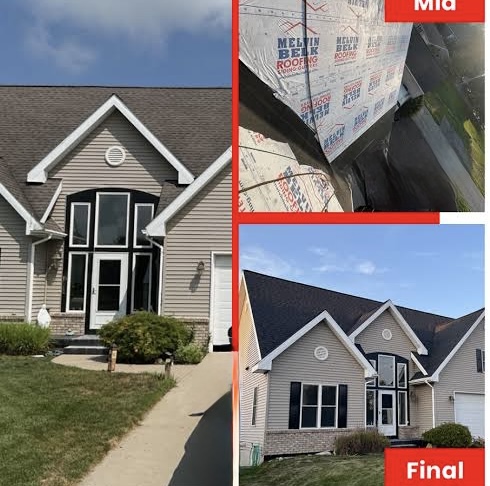
GAF, Owens Corning, CertainTeed shingles. Carlisle and Firestone EPDM. GAF EverGuard TPO. Modified bitumen. Lead-coated copper and aluminum flashing. All matched to existing materials when possible.
Do you do free storm damage inspections?
Yes — completely free, with a written report and photos suitable for filing an insurance claim. No obligation, no high-pressure sales.
Will my homeowners insurance cover roof damage?
Most NY homeowners policies cover sudden roof damage from wind, hail, fallen trees, and other "named perils." Damage from neglect or normal wear is not covered. We provide documentation showing the damage was storm-caused.
How do I file a roof storm damage claim?
Step 1: take photos of all visible damage from the ground. Step 2: call us — we do a free inspection and provide an insurance-ready report. Step 3: file the claim with your insurer using our report. Step 4: schedule the adjuster — we meet them on site. Step 5: once approved, we do the work and you pay only your deductible.
What is hail damage to a roof?
Hail damage shows as bruises, dimples, or pockmarks on shingles where the granules have been knocked off, exposing the asphalt mat. NYC doesn't get extreme hail often, but a single storm can compromise a roof's lifespan by 5–10 years even when damage looks superficial.
How long do I have to file a storm damage claim?
Most NY policies require filing within 1 year of the loss event, but we strongly recommend filing within 60–90 days. The longer you wait, the harder it is to prove the damage came from a specific storm and not regular wear.
Do you work with public adjusters?
Yes. If your claim is complex or has been wrongly denied, a public adjuster (paid as a percentage of your settlement) can help maximize your payout. We can recommend reputable NY public adjusters.
Can my insurer deny my roof claim?
Yes — common reasons: damage is "wear and tear" not storm-related, claim filed too late, roof was already failing, policy excludes the cause. We provide thorough documentation that pre-empts the most common denial reasons.